Marketing ROI: what it is, how to calculate it, and where teams get it wrong
ROI, ROMI, and ROAS formulas, simple and precise calculation, margin, attribution, payback, CRM, examples, and SEO vs ads decisions.

ROI is a decision metric, not a trophy
Measure revenue, cost, margin, attribution limits, and payback before calling a channel profitable.
ROI shows whether an investment paid off. In marketing, teams often calculate it too simply: they take revenue and forget margin, salaries, agency costs, repeat sales, and attribution limits.
Quick answer
Basic formula: (revenue - costs) / costs × 100%. For marketing, also track ROMI, ROAS, CAC, LTV, and payback.
Metrics
| Metric | Formula | When it helps |
|---|---|---|
| ROI | profit / cost | overall return |
| ROMI | marketing profit / marketing cost | marketing efficiency |
| ROAS | ad revenue / ad spend | ads and e-commerce |
| CAC | cost / new customers | customer acquisition cost |
| Payback | cost / monthly profit | time to recover investment |
Common mistakes
- Counting revenue instead of profit.
- Giving the whole sale to the last click.
- Ignoring repeat sales.
- Comparing SEO and Ads over too short a period.
- Ignoring lead quality.
- Not connecting CRM and analytics.
For cleaner measurement: check channels with UNmiss, add sem.chat to qualify questions, and connect analytics with SEOquick services.
SEO vs Ads
Ads show demand faster but require ongoing budget. SEO is slower but can reduce dependence on paid channels. Compare not “which is cheaper”, but how each channel affects profit, speed, and durability.
Sources
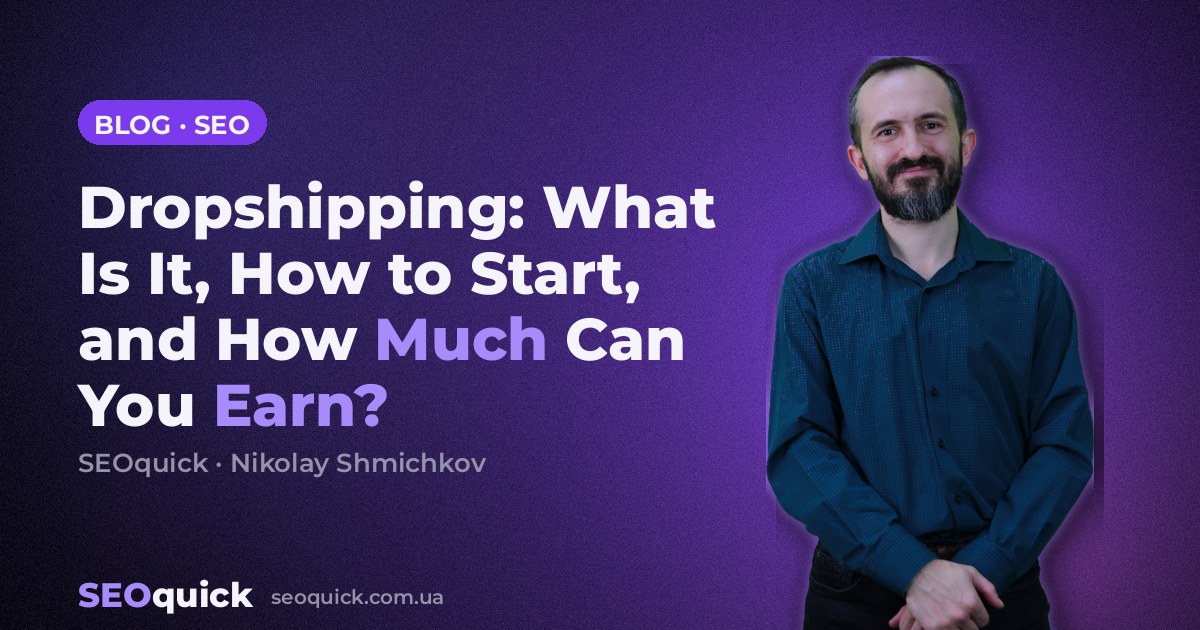
Dropshipping: What Is It, How to Start, and How Much Can You Earn?
Want to learn everything about dropshipping? A fast start with no investment and a steady income. How to find reliable suppliers and where to sell? Tips on promotion and advertising. Hacks for direct trading on marketplaces and social media.
Read →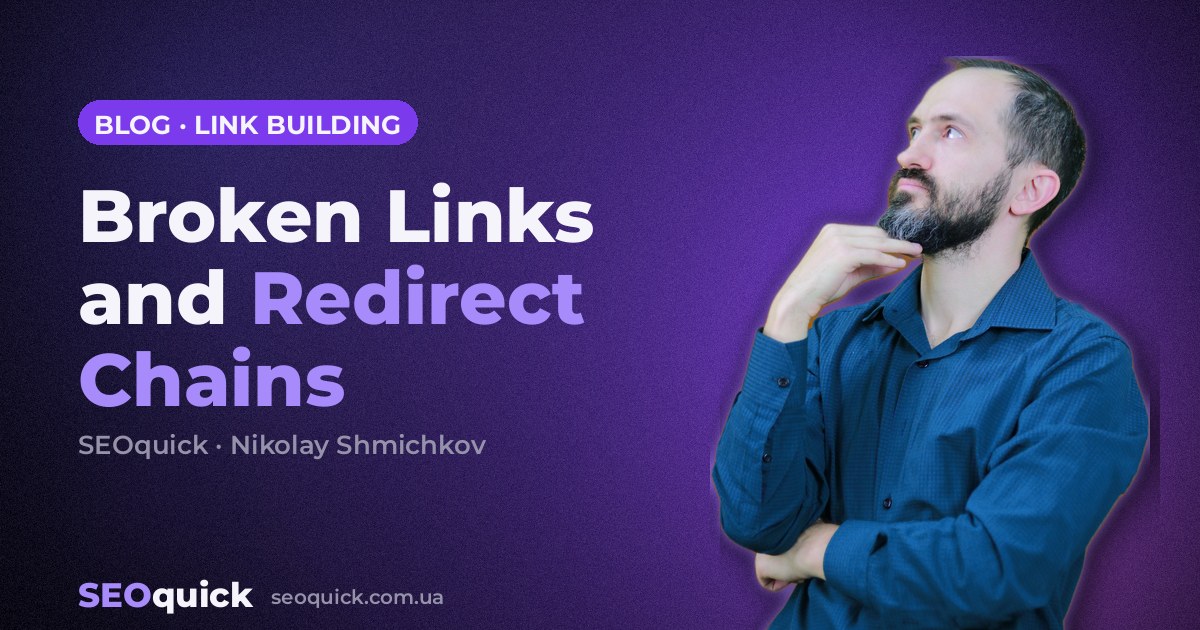
Broken Links and Redirect Chains: Clearing 3XX, 4XX and 5XX Without Bleeding Link Equity
Broken links and extra redirects quietly steal traffic, crawl budget and link equity — and they push your pages out of AI answers. Here's what actually goes wrong and how to get your hops down to zero.
Read →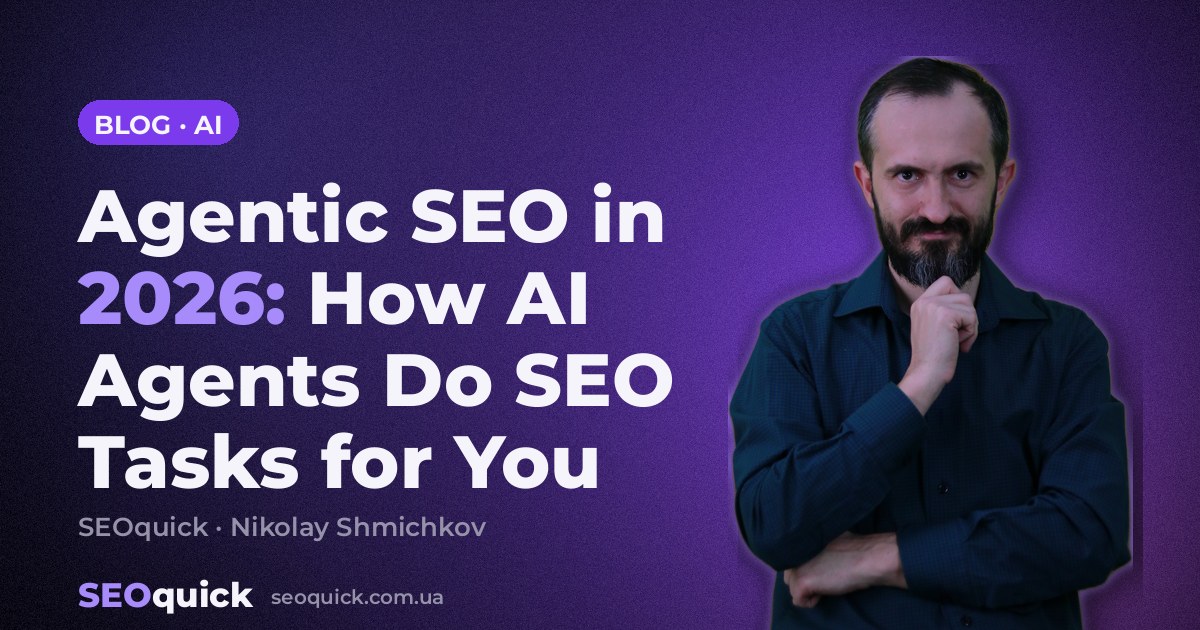
Agentic SEO in 2026: How AI Agents Do SEO Tasks for You
What agentic SEO is and which tasks AI agents already handle themselves: research, optimization, monitoring. Real examples, 2026 numbers and Gartner's warning — a breakdown from SEOquick.
Read →Want to apply this to your site?
We will review the current situation, find the first growth levers, and suggest a practical working format.