The project's main challenge
When Pernamea.md came in, the store already worked but had no clear promotion strategy. Google Analytics wasn't installed at first, so we started with basic analytics and data collection via GSC.
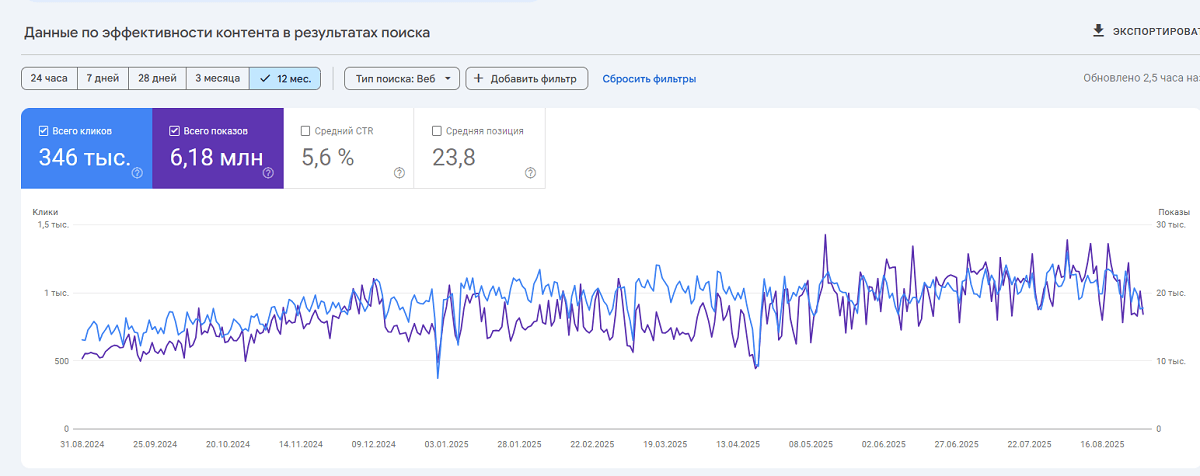
The niche: e-commerce on the Moldovan market — small in volume, with a mobile audience (90% of traffic on smartphones) and a strong dependence on branded demand. Growth of non-brand traffic and impressions is the key health metric here.
Filter pages effectively weren't indexed, while separate landing pages had been created for their combinations — we had to reconcile both methods and set up canonical. On top of that, previous contractors kept rented links and non-MD-zone domains that dragged the project down.
Technical audit
We started with a technical audit: checked indexing, removed duplicates and code errors, optimised load speed and the mobile version. The main issue was filter pages that weren't indexed, although separate landings existed for their combinations. The task was to merge both methods and set canonical exactly as new pages needed.
Semantics and structure
Based on our site and competitor audits, we split keywords into groups, defined clusters and cleared the core of junk queries. We assembled a full semantic core and rebuilt the structure: added missing sub-categories (strollers, cribs, playpens, etc.), prepared a metadata brief and rules for tag and filter pages. That 'unpacked' demand and widened the indexed zone.
Usability audit
We worked through the whole user journey — from header and footer with navigation and contacts to category filters and the product card. On the homepage we added benefit and review blocks and reinforced trust with rating widgets. In categories we added a 'Sales' filter and a display-mode switch. Cards were standardised and supplemented with reviews and a recommendations block.
Special focus on mobile: optimised the menu, made sales a slider, simplified the cart and checkout. Only then did we move on to semantics and structure.
Content and blog: a GPT pipeline
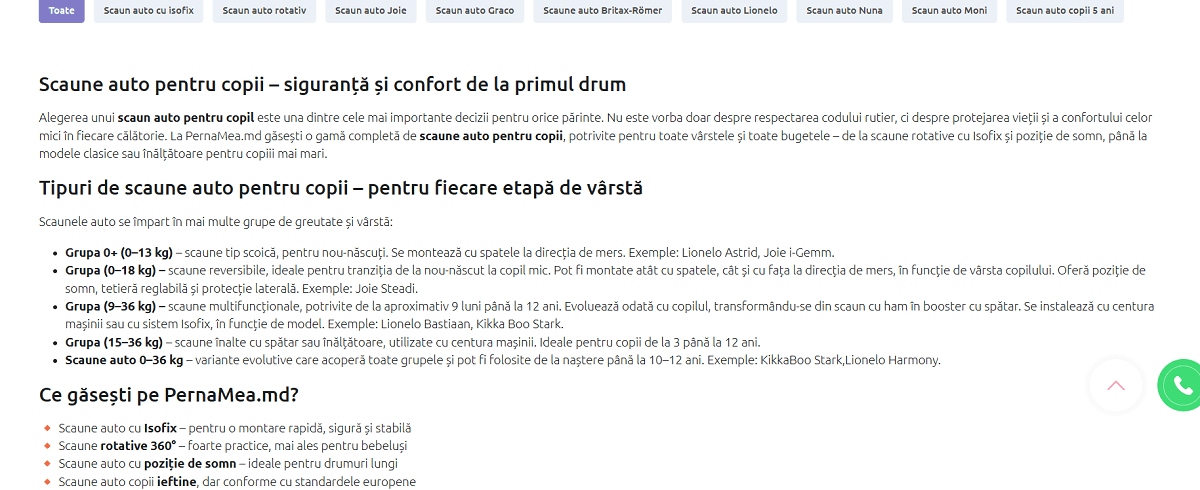
The main task was to optimise every category page and write texts. We entrusted writing to GPT: with well-built prompts the process ran like clockwork. A category brief contained only that category's queries and didn't conflict with adjacent ones. Text length was kept moderate — excess volume hurt ranking.
In the first cycle we prepared 40 category SEO texts, refined product cards (descriptions, specs, reviews) and launched a blog with practical long-tail topics.
Link building: cleanup + careful outreach
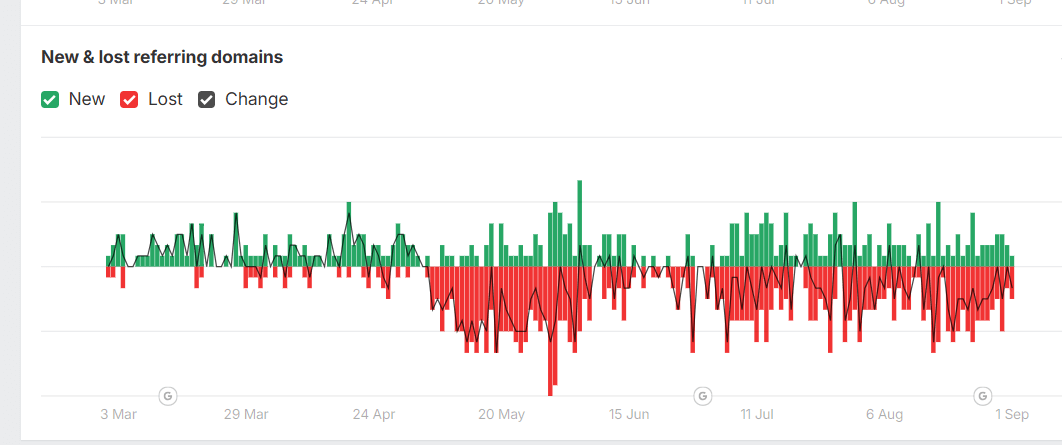
The work came down to two opposing processes. First — removing non-MD-zone domains that previous contractors had piled on (luckily it was crowd-marketing) and taking down rented links that dragged the project down.
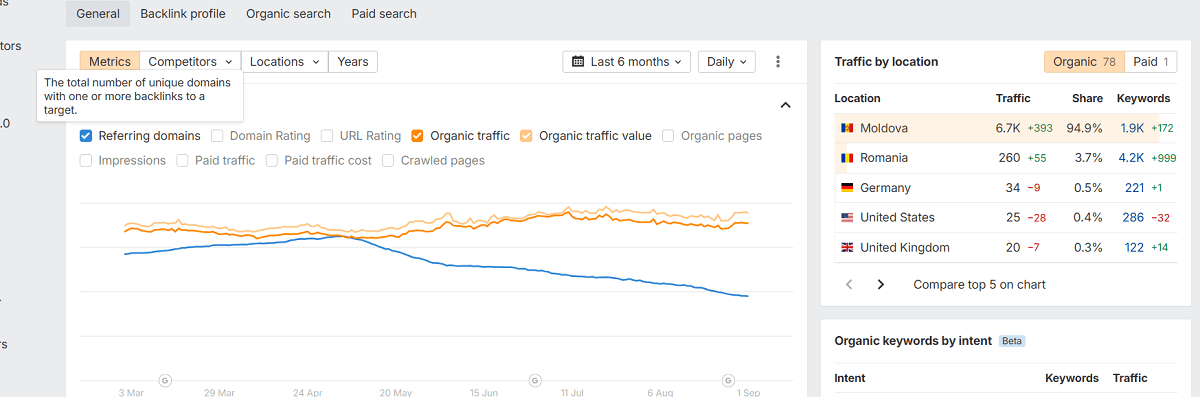
Second — building a quality profile by the same scheme as on the Polish project: competitor backlink audit, parsing Moldovan aggregators and review sites, collecting media and platform email contacts, outreach on placement terms.
Growth in clicks and branded demand
| Metric | Previous 6 mo | Last 6 mo |
|---|---|---|
| Clicks | 150,496 | 173,806 (+15.5%) |
| Impressions | 1,564,887 | 1,739,609 (+11.2%) |
| CTR | ~10.0% | holds at ~10.0% |
| Branded demand | 27,550 clicks | 37,125 (+34.8%) |
Source: Google Search Console for Pernamea.md. 90% of clicks are mobile.
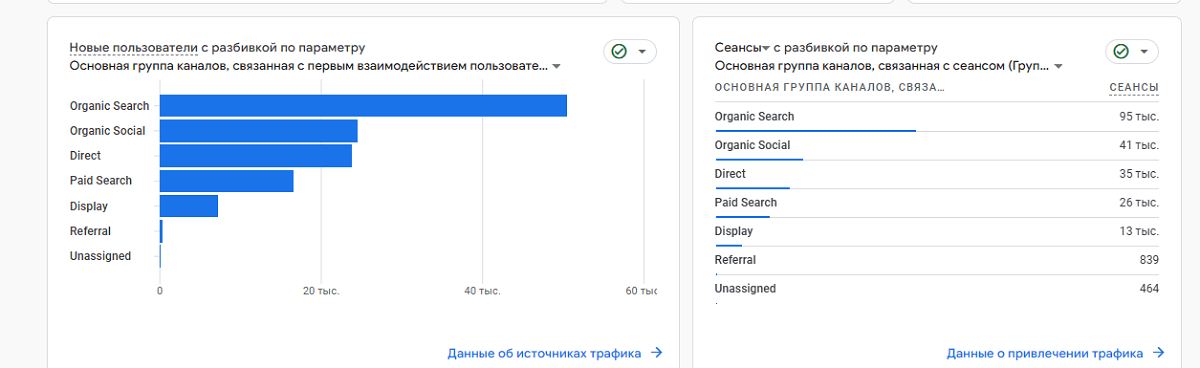
Over the last 6 months the site got 173,806 clicks versus 150,496 before — a 15.5% gain on the same market. Impression coverage rose to 1,739,609 (+11.2%), CTR holds around 10.0%. The brand share grew: branded queries 'perna mea / pernamea' brought 37,125 clicks versus 27,550 (+34.8%) — a direct result of PR publications and directory placements.
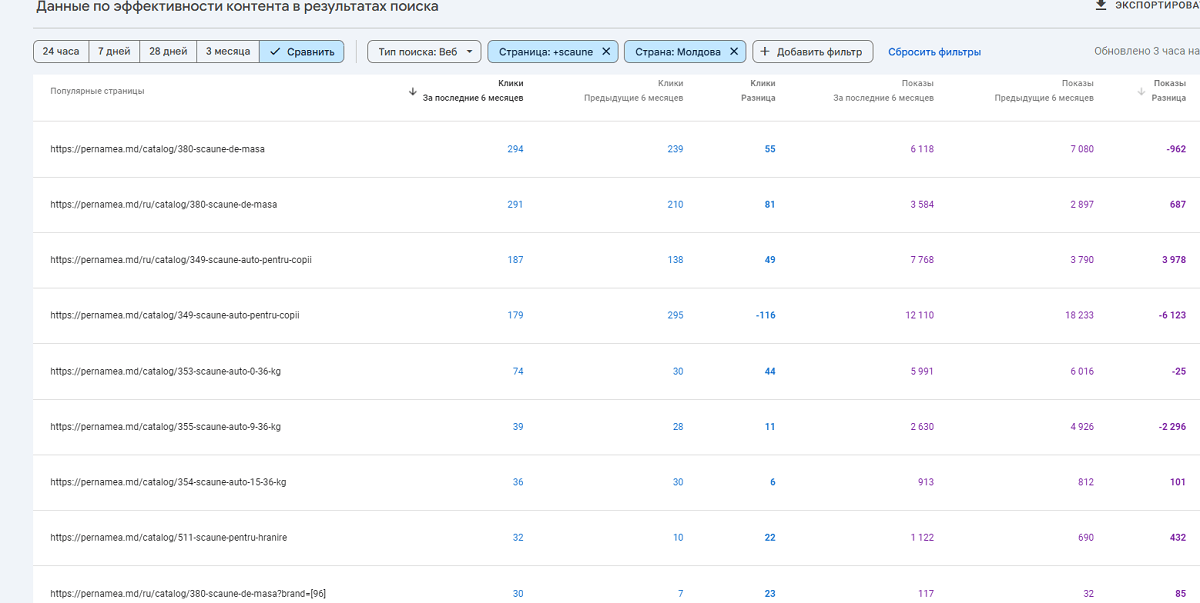
Top pages show the expected leaders and growth points. The homepage added +10,668 clicks (from 23,099 to 33,767); the Carrello brand section grew in both Romanian (+383) and Russian (+301); the 'playpens' and 'cribs' clusters moved up, especially 'playpens' (+140 clicks over the half-year).
Project team
The project was led by Nikolay Shmychkov — SEO strategy (deputy director, SEOquick). Full team and roles on the 'About' page.
What's next
A similar e-commerce case on a foreign market: SEO for an online store in Poland. Entering a foreign market? The concrete next step is an audit and a country-specific strategy.