A strong product needed a platform it could actually control
LT-Company works with complex facade and aluminum solutions. The site already had a recognizable visual language and a large body of products and projects, but Tilda limited technical control, structural scaling and systematic SEO work.
The task was bigger than "move the pages over." We had to keep the look users were used to, avoid losing the old URLs, migrate media out of external infrastructure, restore interactive blocks and forms, and then turn the site into a foundation for ongoing content growth.
What the initial audit showed
At the start, the problem wasn't a single "slow banner." Technical, content and infrastructure limits reinforced one another.
Speed
Tilda's CSS and JavaScript blocked the first render, and large images were served without responsive sizes, WebP or considered lazy loading.
Search structure
The homepage had no proper H1, meta descriptions were duplicated, titles were inconsistent, and language and canonical signals needed control.
Platform lock-in
Media and some page behavior depended on Tilda's CDN and its JavaScript. Turning the builder off cleanly wasn't possible without a dedicated migration plan.
Content and leads
Commercial pages needed B2B facts, technical specs, clear CTAs, unified server-side validation and end-to-end lead analytics.
The plan: migrate, stabilize, then scale
The work ran in several streams: architecture, content, SEO, media, forms and visual review. That way we didn't have to freeze the site's development during the migration.
Tilda inventory
Pages, URLs, images, blocks, forms, language routes and dependencies.
Custom WordPress theme
Templates, CPTs, navigation, header, footer and mobile behavior.
Content and local media
Moving records, projects, chronicle and Tilda assets into WordPress.
SEO and performance
Meta, canonical, schema, sitemap, images, priorities and caching.
Content rebuild
16 rewritten pages and 12 new page packages built around demand.
Forms, analytics and QA
A unified lead flow, messengers, GTM events and automated checks.
A WordPress that kept the brand's face — and dropped the Tilda dependency
The custom theme reproduced the key layouts, header, footer, navigation and mobile logic. But inside it's a different system now: managed content types, local assets and clear templates.
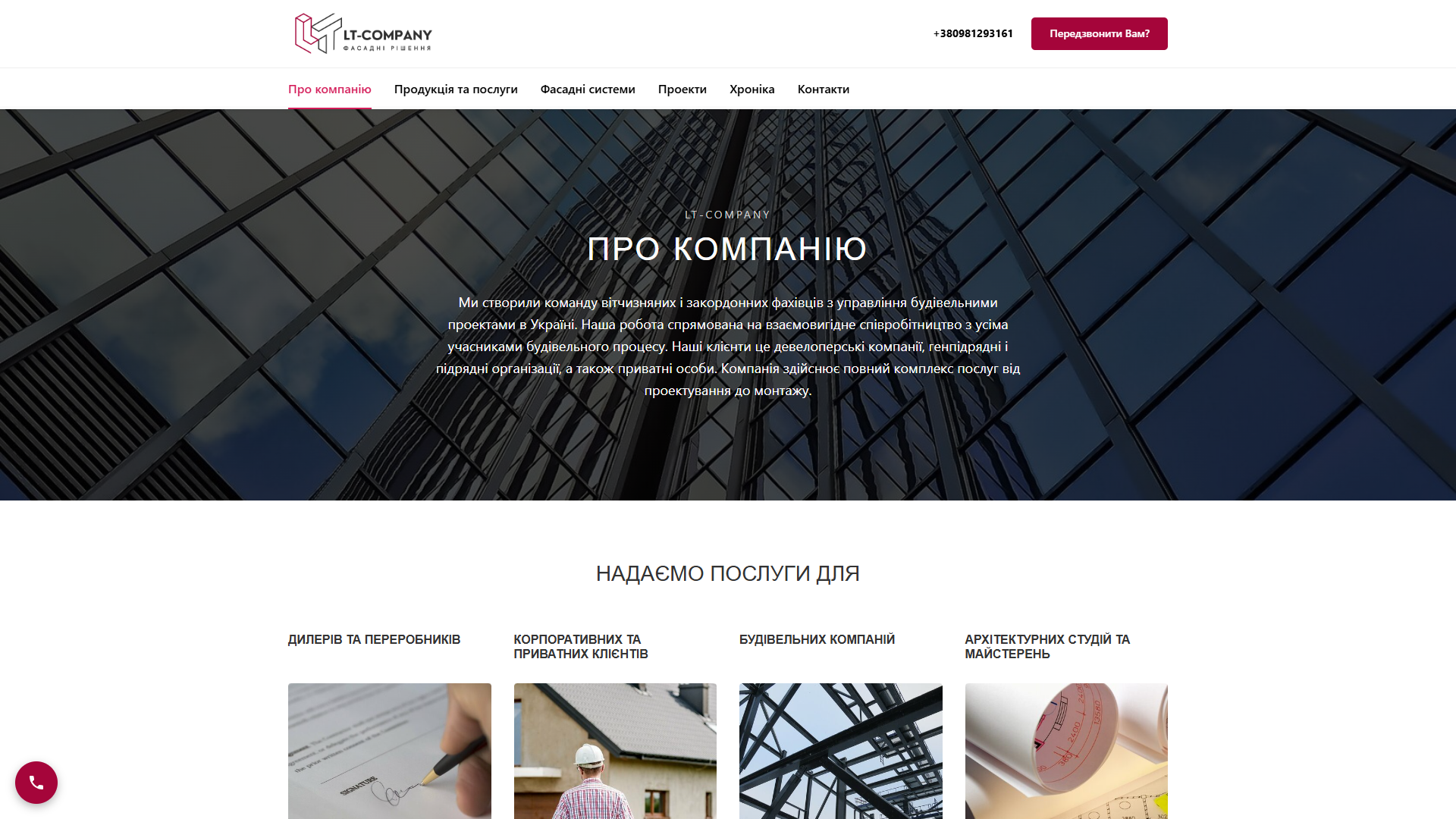
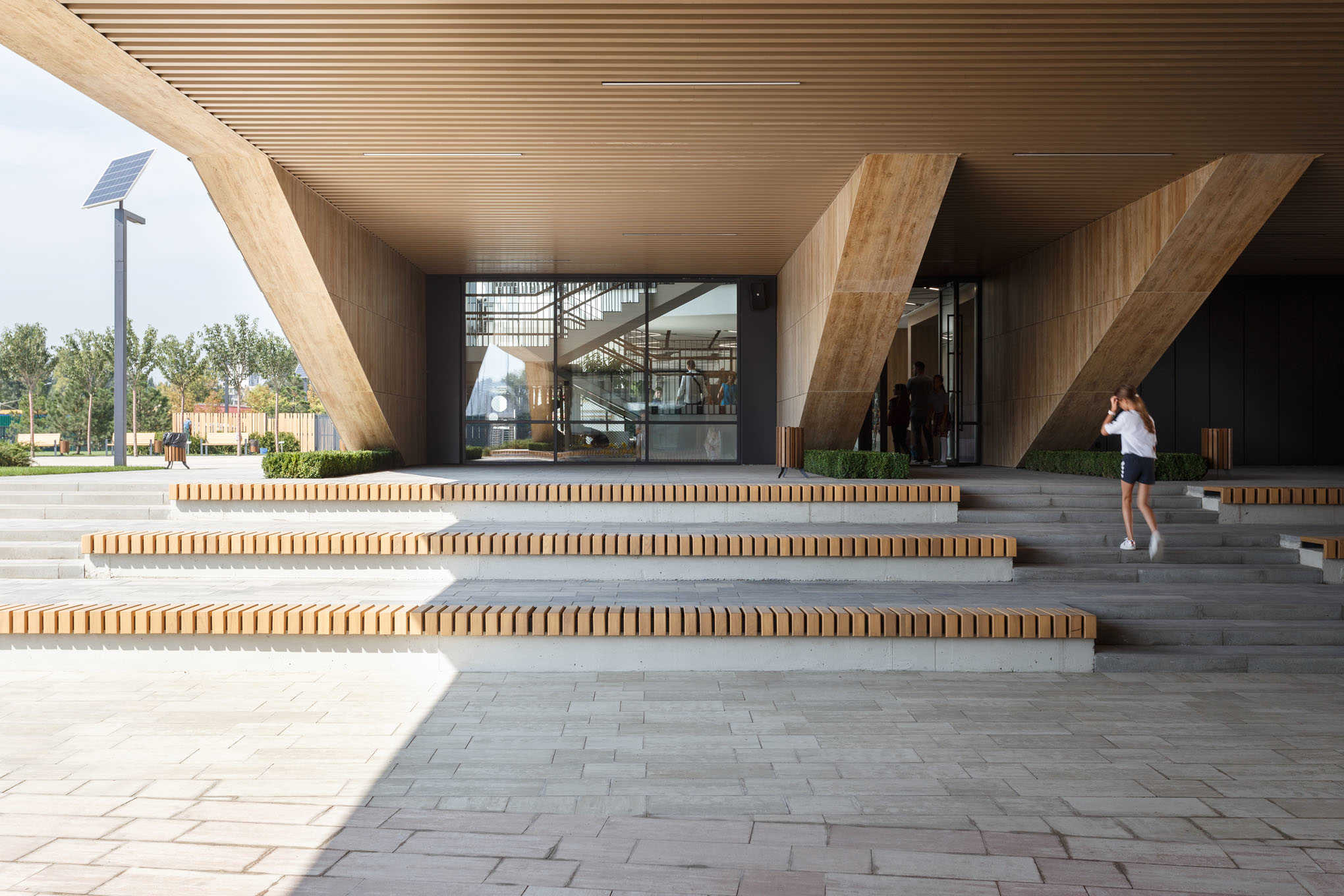
A real WordPress render: the original visual language is preserved, while the content and template no longer depend on Tilda.
A builder as the ceiling for growth
- external media and scripts
- limited template control
- hard-to-scale SEO structure
- risk of loss if the platform is switched off
A managed platform you own
- localized assets
- content in managed records
- custom templates and components
- control over SEO, forms and analytics
16 pages rewritten. 12 new packages prepared.
After the technical move, we changed the very quality of the commercial content: instead of generic phrases — B2B reasoning, technical tables, systems, classes, real projects, FAQs and a clear next step.
Fully reworked commercial pages
From a single hero to a full argument for a B2B client
The pages gained technical specifications, application limits, structural advantages, materials, case studies, frequently asked questions and a CTA to request a quote. Components are reused, but the substance of each page stays specific.
- a single visual system and the site's header/footer
- content edited as a WordPress record
- structured data built into the page template
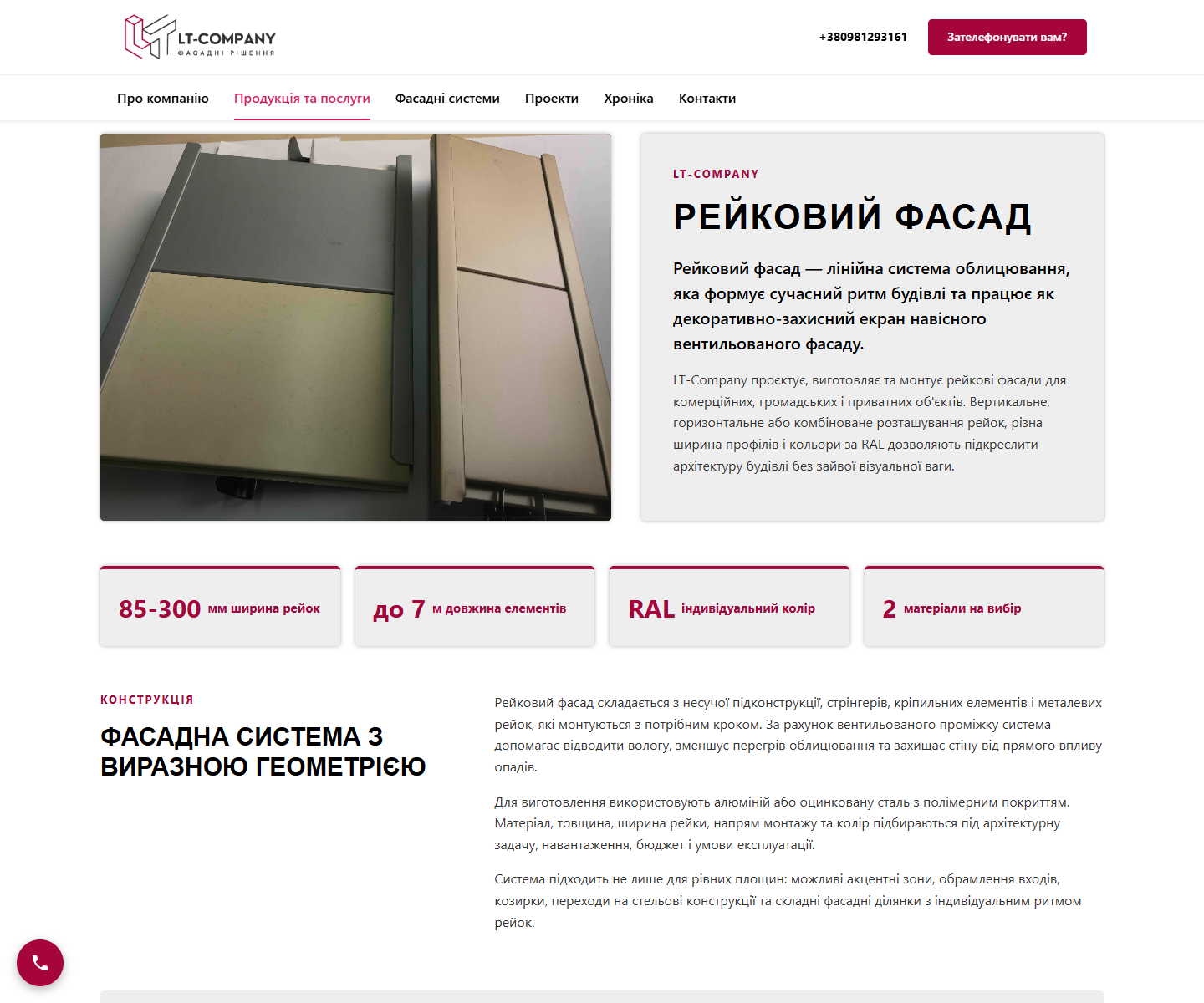
A new content wave — 12 page packages
The structural-glazing page was in both the rewrite wave and the July package. So 16 + 12 describes the volume of two work streams, not 28 guaranteed unique URLs.
Optimization is built into the theme, not bolted on with one plugin
We removed the causes of extra load, localized the assets and made loading priorities manageable. In parallel, we closed the systematic SEO fields for all page types.
WebP and a mobile hero
Separate lightweight images for the mobile first screen and modern formats.
Priority for critical assets
Preload, fetchpriority, decoding and controlled loading of key images.
Stable layout
width/height, srcset and sizes for media to reduce shifts and extra bytes.
Less unnecessary code
Removed emoji, generator, shortlink, wp-embed and other unneeded WP assets.
Schema and sitemap
Organization, WebSite, Breadcrumb, Product/Service, FAQPage and a Yoast XML sitemap.
Canonical and meta
Unique titles/descriptions, canonical, Open Graph and noindex for utility routes.
The project archive has an initial Lighthouse/PageSpeed snapshot with an LCP of 11.2 s, but no repeat verified Lighthouse report with a new LCP. So we show the optimizations actually implemented and don't credit the site with an unverified score or speed-up percentage.
The form became part of a system, not a standalone popup
We unified lead handling, added server-side validation, spam protection, marketing context and convenient contact channels. The architecture is ready for a CRM, but it doesn't present an inactive integration as a working one.
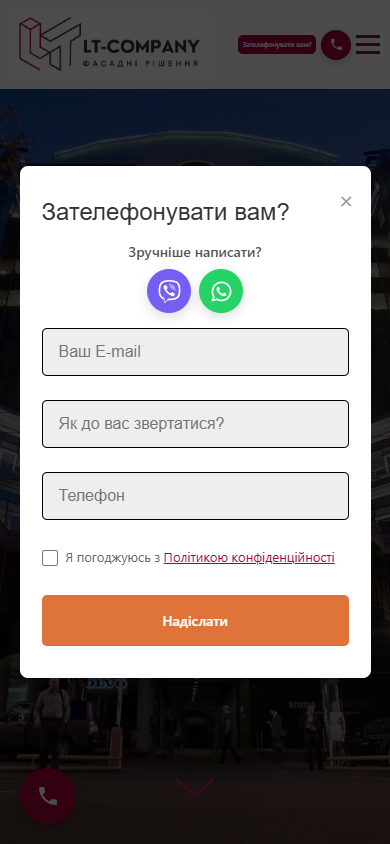
- a single AJAX handler, nonce and server-side validation
- required policy consent and a thank-you flow
- UTM, GCLID, landing page, first landing and referrer
- honeypot, rate limit, duplicate lock and reCAPTCHA v3
- Viber and WhatsApp next to callback and inline forms
- GTM/dataLayer events for submit and messenger clicks
- an accessible dialog, focus trap and focus return
- a server-side phone requirement and no empty tel: links
The migration was checked by routes, assets, code and real viewports
"Final" doesn't mean "it opens in our browser." We built an automated technical loop and a separate UAT set for desktop and mobile.
Not "a site after migration," but a platform for the next years of growth
LT-Company kept a recognizable interface but gained a different quality of control: its own theme, local assets, structured content, and control over SEO, leads, analytics and releases.
Need to migrate a site without losing its structure — and make it stronger?
We'll start with an audit of routes, content, speed and business logic. Then we'll build a migration scenario that protects what you've accumulated and creates a foundation for growth.