English SEO case: how to recover an English-language site after a traffic drop
International SEO recovery plan: technical audit, content pruning, E-E-A-T, localization, backlinks, internal links, and measurement.


International recovery roadmap
Recovering English SEO requires content quality, technical health, authority cleanup, and localization discipline.
English-language SEO is brutally competitive: more publishers, faster copying, stronger expectations for expertise, and less tolerance for generic translation. When a site drops after an update or stays flat for months, the issue is rarely one page. It is usually a system problem.
Quick answer
English SEO recovery starts with indexation, content quality, internal structure, backlinks, and intent fit in the target market. Weak pages are merged, updated, or removed; strong pages get better authority, internal links, and conversion paths.
Recovery roadmap
| Stage | Action | Output |
|---|---|---|
| Audit | Search Console, crawl, analytics | problem clusters |
| Content pruning | merge, update, noindex/delete | less thin content |
| Intent rebuild | new briefs and structures | better answer quality |
| Authority cleanup | toxic patterns, anchors | lower risk |
| Localization | language, examples, proof | market trust |
| Conversion | CTA, chat, lead flow | traffic becomes demand |
What competitors miss
They translate Ukrainian or Russian content into English but do not adapt examples, search intent, terminology, and proof. English SEO needs localized expertise, not just fluent words.
Practical start: audit clusters in UNmiss, add sem.chat to collect questions from an international audience 24/7, and use SEOquick English SEO.
Read next
Sources
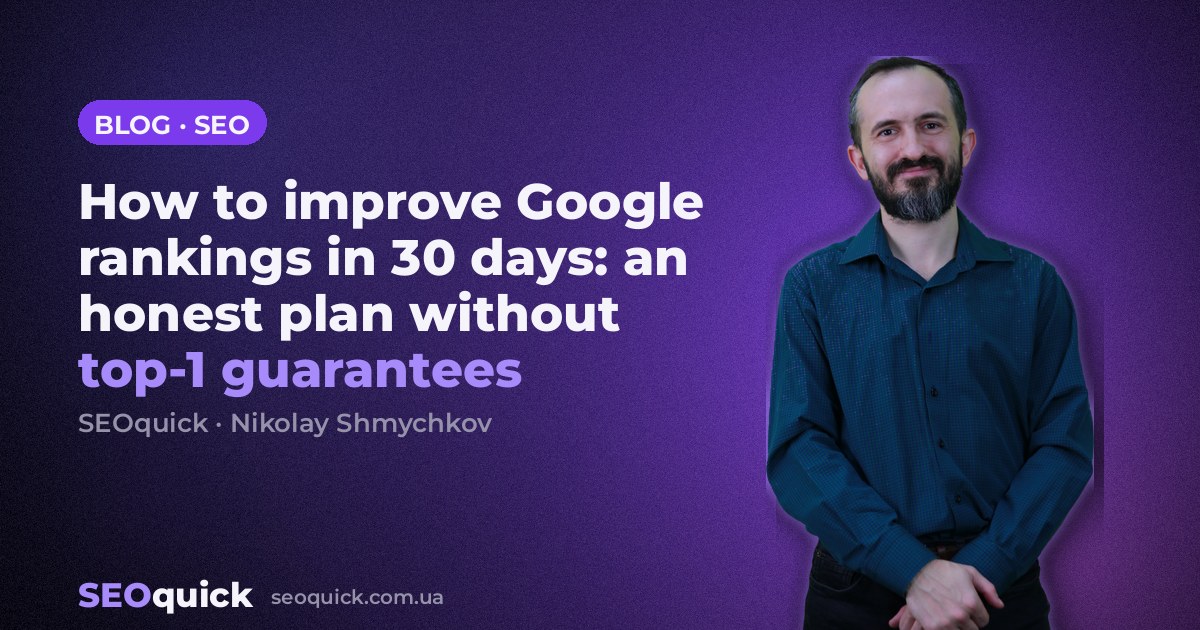
How to improve Google rankings in 30 days: an honest plan without top-1 guarantees
What can realistically improve in a month: CTR, technical issues, intent, content, internal links, speed, and conversion.
Read →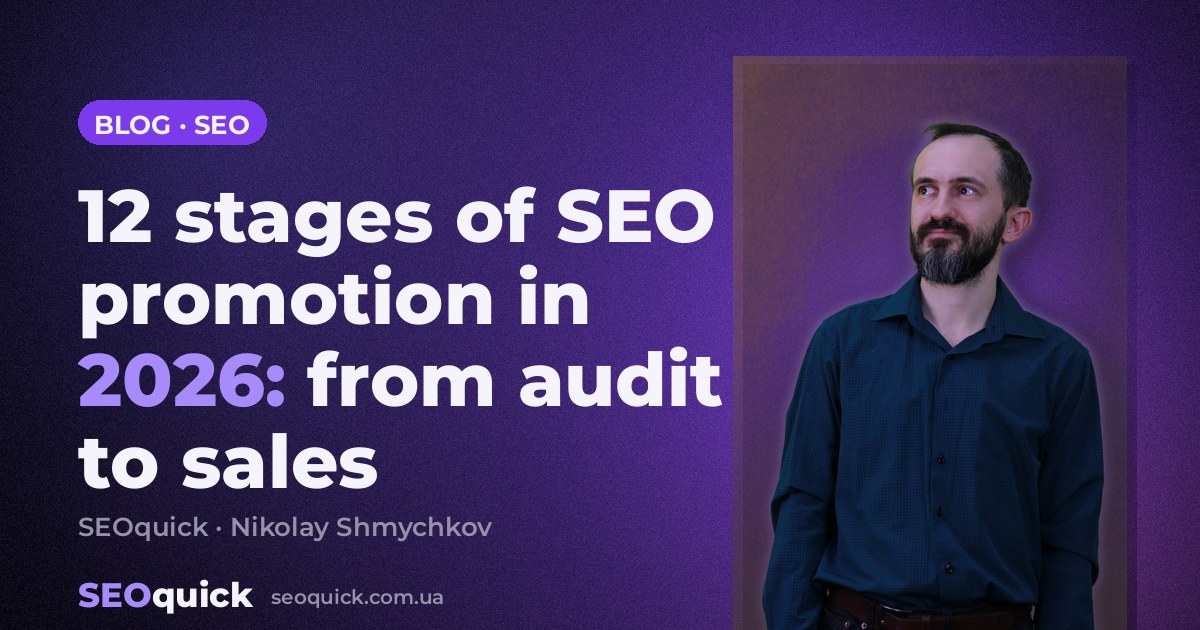
12 stages of SEO promotion in 2026: from audit to sales
A step-by-step SEO promotion system: technical audit, keywords, content, GEO, links, UX, analytics, sem.chat, and UNmiss.
Read →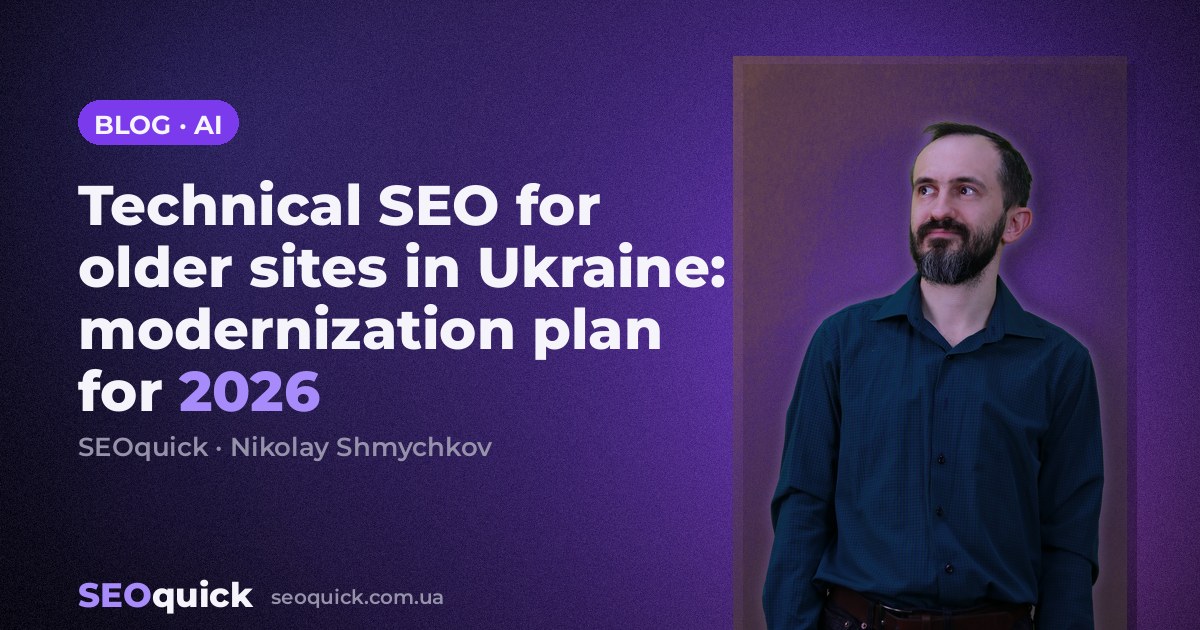
Technical SEO for older sites in Ukraine: modernization plan for 2026
How to update an outdated site without losing indexation: audit, mobile, speed, HTTPS, structure, canonicals, hreflang, schema, and conversion.
Read →Want to apply this to your site?
We will review the current situation, find the first growth levers, and suggest a practical working format.