Contextual advertising in 2026: complete guide for business
How contextual advertising works: Google Ads, Search, Performance Max, Meta, tracking, SEO connection, budget, CPA, ROAS, and landing pages.


Contextual advertising buys speed. SEO builds compounding demand. In 2026, the strongest systems connect paid campaigns, organic pages, CRM, and analytics so each channel teaches the others.
Quick answer
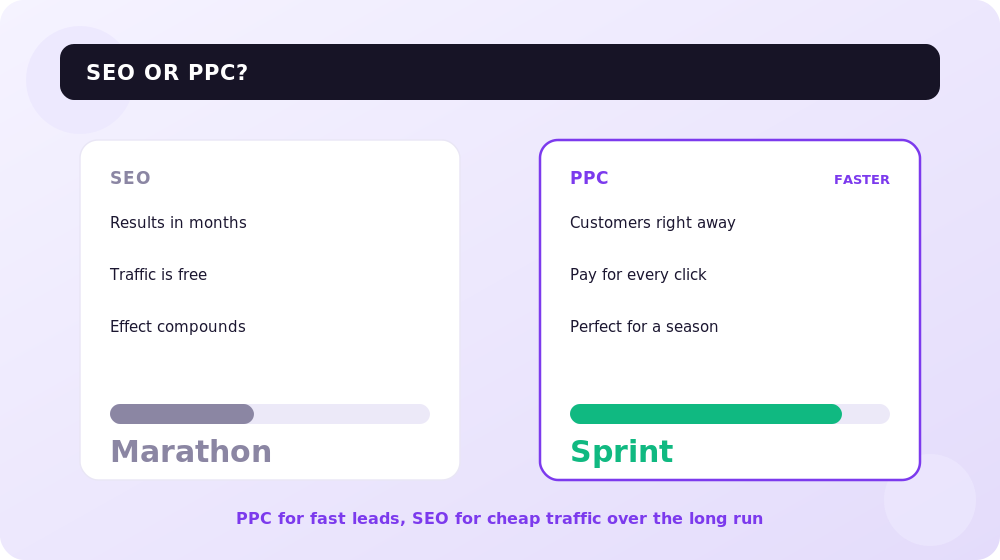
Contextual ads are useful when you need to test an offer quickly, get leads, support seasonality, bring visitors back, or scale a proven landing page. Without tracking and lead quality feedback, budget burns fast.
What to set before budget
| Block | Minimum |
|---|---|
| Analytics | GA4, Google Ads conversions, CRM |
| Offer | clear value and proof |
| Landing | speed, mobile, form, chat |
| Keywords | intent clusters and negatives |
| Creative | multiple angles and proof |
| Feedback | quality lead import or CRM status |
PPC + SEO
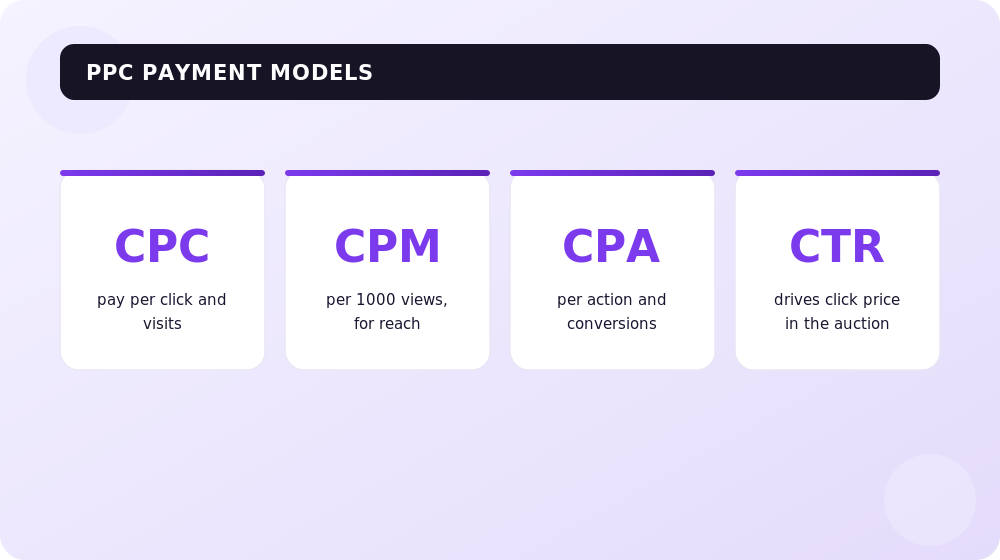
Paid search quickly shows which queries convert. SEO turns the best queries into pages, articles, and FAQs. Then SEO lowers paid dependency, while PPC keeps testing new hypotheses.
Launch without chaos: use UNmiss for keyword and competitor research, sem.chat for post-click questions, and SEOquick paid ads.
Read next
Sources

Google Search Console: The Complete Guide for 2026
The complete Google Search Console guide for 2026: adding and verifying your site, the Performance report, Page indexing, Core Web Vitals, and how to get past the 1,000-row limit.
Read →
Search Everywhere Optimization: Ranking on TikTok, YouTube, Reddit and AI Search
Your customer does not only search on Google: 49% of consumers search on TikTok, Reddit pulls 842M organic clicks a month, and YouTube is the source of roughly one in four AI Overview citations. Here is how a business owner picks 2–3 platforms without burning the budget.
Read →
Performance Max for an Online Store: A Setup and Optimization Case Study
How to set up Performance Max for an online store: a case study with ROAS growth from 2.8 to 5.1, the Merchant Center feed, asset groups, budget and optimization.
Read →Want to apply this to your site?
We will review the current situation, find the first growth levers, and suggest a practical working format.